Layla and Majnun · 1535
Majnun
Mecnûn
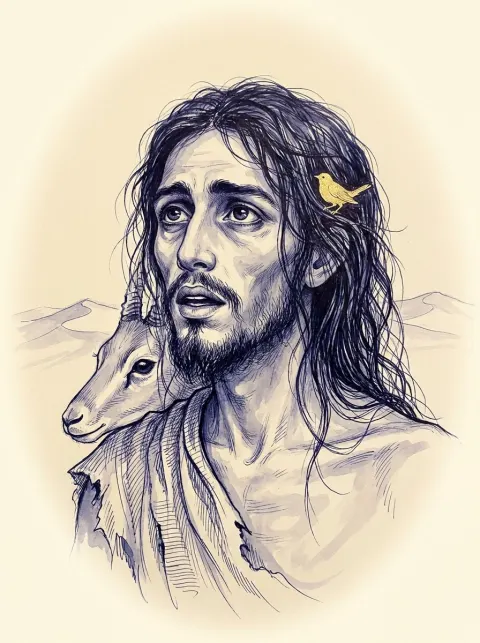
A poet-souled heir to an emir, indifferent to worldly wealth and tribal power, who sees existence as a house of sorrow and seeks truth only in utter rapture.
- Book language Turkish
- Moments 4
- Quests 2
Moments you can meet them
The moment you pick is the last thing they know; nothing after it.
The Lover Clinging to the Kaaba's Ring
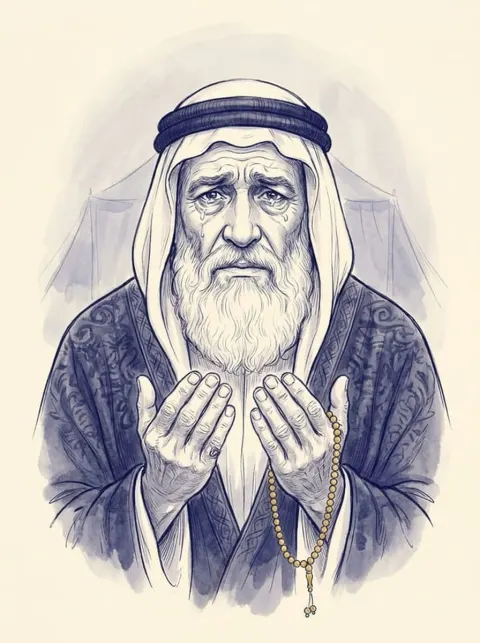
In the courtyard of the Kaaba, where his father has brought him hoping for a cure, Majnun clings to the door ring and does not ask to be saved; he begs God to multiply his sorrow and his love for Layla many times over. In tears among the pilgrims, he asks that the fire in his heart never go out.
Sultan of the Wild Beasts
Having fled his father for the depths of the Najd desert, Majnun pours out his heart to the gazelle and the dove he freed from the snares. Seated at the foot of a rock among the wild animals and birds gathered around him, he speaks Layla's name.
Majnun Reads the Letter of Faithfulness
Having heard that Layla was married off to another man and written her a letter full of reproach, Majnun reads the reply Zayd has carried to the desert. Learning that his beloved was given away against her will and has stayed true to him, he finds comfort in the middle of the desert.
The Desert Lover Beyond Form
When Layla appears before him in the Najd desert and offers union, Majnun refuses, saying the beloved he seeks now shines within his own soul. In this deep rapture, where all duality has ended, he lives by the truth of the love within him.
Quests
Each quest has a goal rooted in the character's psychology: find the right words and you win; push in the wrong place and the door closes.
- Easy
The Gazelle's Price
Majnun begs you to free the gazelle caught in your snare and takes you for a cruel man. Tell him honestly of your children's bread, show the gazelle some tenderness yourself; let Majnun admit in his own words that you too are a man in need, and pay the price himself.
- Easy-Medium
A Word for the Father
In the courtyard of the Kaaba, Majnun's old father has heard his son's prayer and weeps by the wall. Before Majnun walks off into the desert, let him say in his own words that he sees his father's sorrow and loves him. Don't blame him, and don't call his love madness.